


Karibu! Welcome to the beginning of an adventure that most people only see on a screen.
If you’re sitting in an office in New York, London, or Berlin dreaming of the Serengeti, you’ve likely realized that planning a trip to Africa feels a bit different than booking a weekend in Paris. There’s more to think about: bush planes, seasonal migrations, packing lists, and—of course—the wildlife.
As your professional guide to Tanzanian travel, I’ve curated this comprehensive guide to take you from “curious” to “completely prepared.” Let’s get you ready for the dust, the sunsets, and the roar of the wild.
Why Tanzania?..

For a first-timer, Tanzania is the “Gold Standard.” It is home to the Serengeti, the Ngorongoro Crater, and Mount Kilimanjaro. Unlike other destinations, Tanzania offers a “Northern Circuit” where you can see the Big Five (Lion, Leopard, Rhino, Elephant, and Buffalo) in a single trip, often within the first two days.
1. When to Visit:
Timing Your Adventure
One of the most common questions from our US and European guests is: “When is the best time to go?” The answer depends on what you want to see.
The Dry Season (June to October)
This is peak safari season. Why? Because the bush thins out, making it easier to spot animals, and wildlife congregates around water holes.
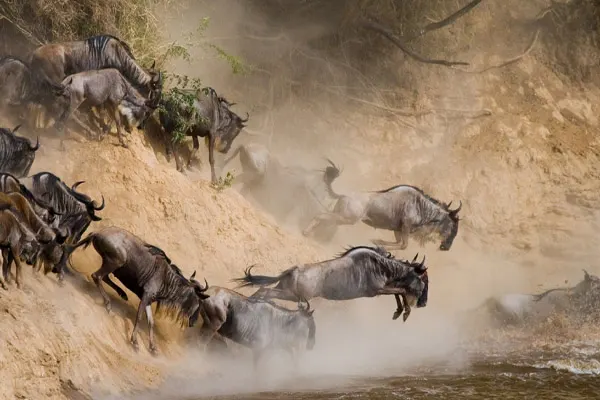
The Great Migration: If you want to see millions of wildebeest crossing the Mara River, aim for July to September.
Weather: Expect clear blue skies and cool evenings. It’s perfect for photography.
The Green Season (November to May)
Don’t let the word “rain” scare you.
Calving Season: In January and February, the southern Serengeti is filled with baby animals.
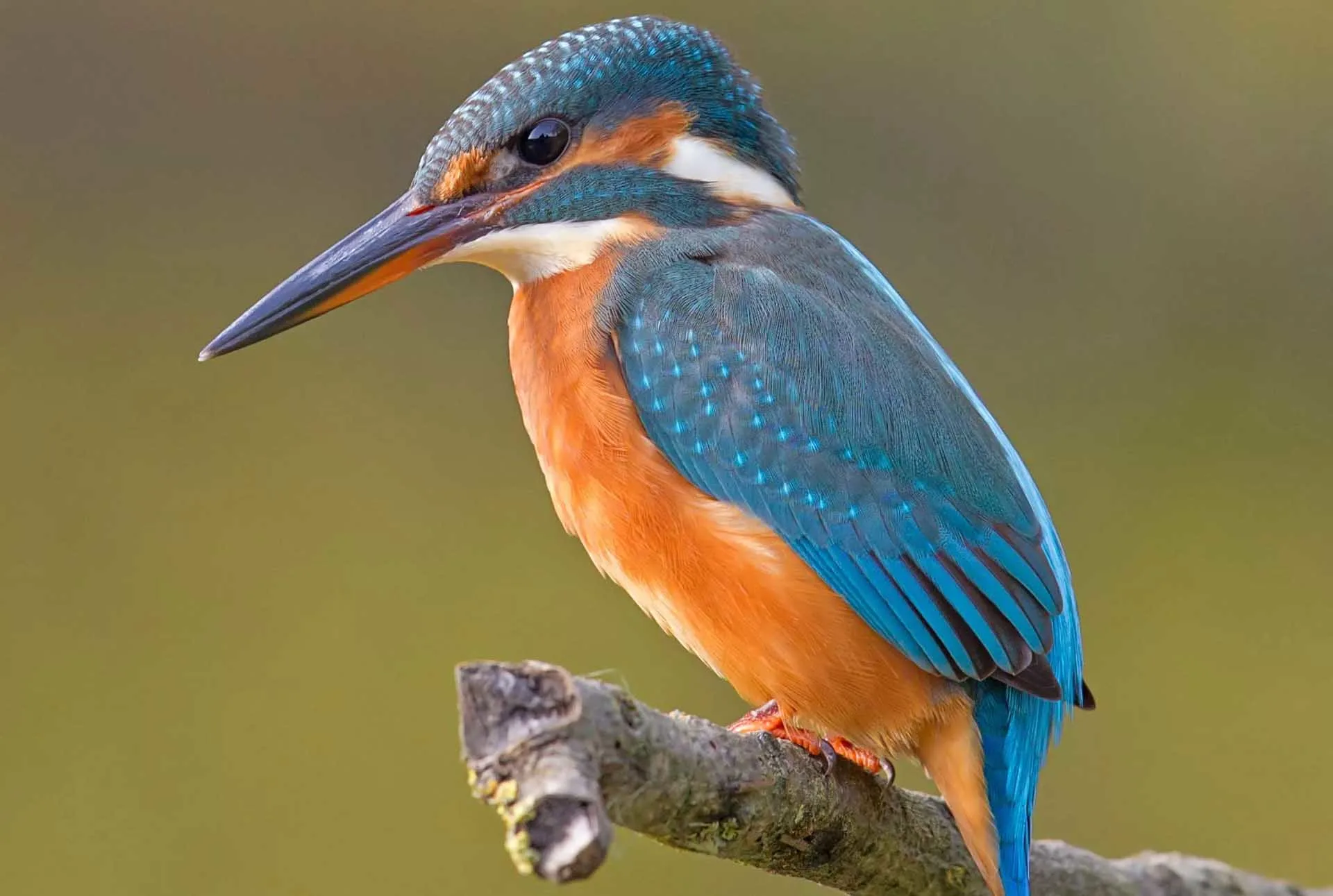
Bird Watching: This is prime time for migratory birds.
Value: Prices for luxury lodges are often lower, and the parks are much less crowded.
2.Getting Here and Around
International Flights
Most travelers from the US and Europe fly into Kilimanjaro International Airport (JRO).
From the USA: Popular routes include Delta/KLM via Amsterdam or Qatar Airways via Doha.
From Europe: KLM, Lufthansa (Eurowings Discover), and Turkish Airlines offer excellent connections.
Getting Around: Jeep vs. Plane
Road Safaris: You’ll travel in a 4×4 Land Cruiser with a pop-up roof. It’s the best way to see the changing landscape and local villages.
Fly-In Safaris: If you have a shorter timeframe, you can take “bush planes” (small Cessna aircraft) between parks. It saves time and provides a stunning aerial view of the plains.
3. Essential Entry Requirements
Traveling to Tanzania requires a bit of paperwork, but it’s straightforward.
Visas: US citizens pay $100 for a multi-entry visa, while Europeans typically pay $50. You can apply for an “e-Visa” online a few weeks before you travel to save time at the airport.
Passports: Your passport must be valid for at least six months after your departure date and have at least two blank pages.
Health: * Yellow Fever: Only required if you are traveling from a country where Yellow Fever is endemic (like Kenya).
Malaria: Tanzania is a malaria zone. Consult your doctor for a prescription of malarone or doxycycline before you leave.
4. What to Pack..
The biggest mistake first-timers make is overpacking. Most safari lodges offer laundry services, and small planes have strict weight limits (usually 15kg/33lbs in soft-sided bags).
5. A Typical Day on Safari

What does a day actually look like? It’s not just sitting in a car; it’s a rhythm.
06:00 AM: The “Bush Wake-up.” Coffee and biscuits before heading out. Predators are most active at dawn.
09:30 AM: Picnic breakfast under an Acacia tree.
12:30 PM: Return to the lodge for a hot lunch and a “siesta” during the heat of the day.
04:00 PM: Afternoon game drive. The light becomes golden—perfect for photos.
06:30 PM: Sundowners. A safari tradition of drinking a Gin & Tonic while watching the sunset.
08:00 PM: Dinner and “Bush TV” (sitting around the campfire sharing stories).
6. Understanding the “Big Five” and Beyond
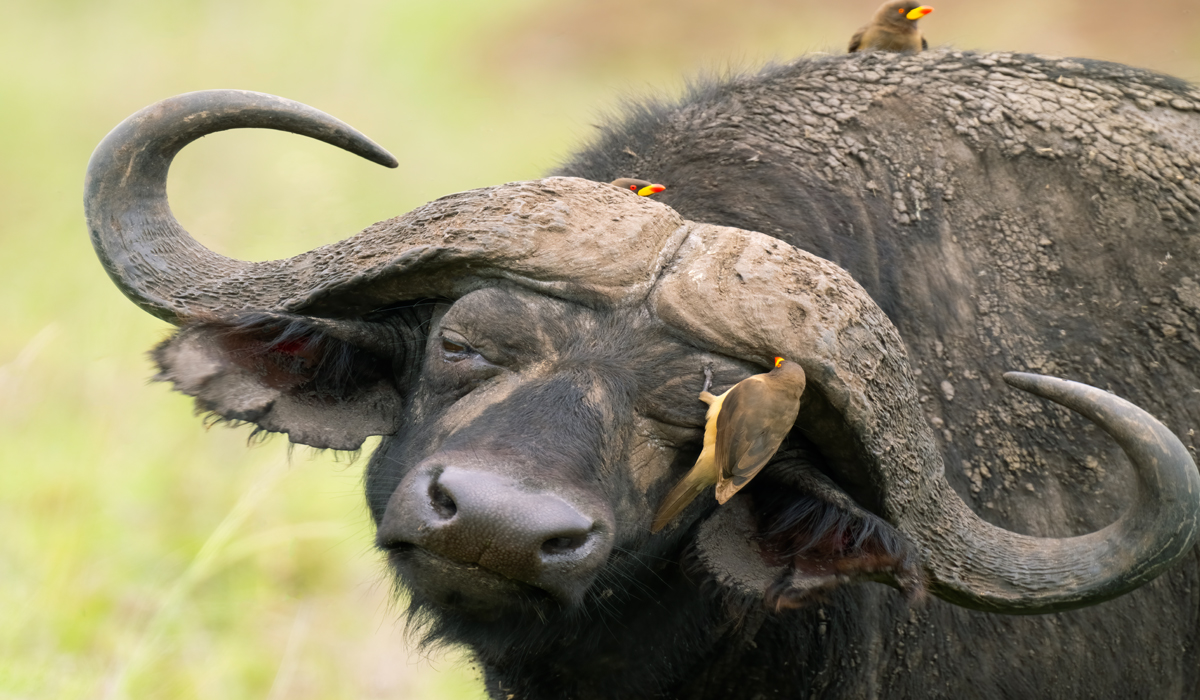
While everyone wants to see the Big Five, Tanzania offers much more.
The Big Five: Lion, Leopard, Elephant, Cape Buffalo, and the rare Black Rhino.
The “Ugly Five”: Hyena, Marabou Stork, Warthog, Vulture, and Wildebeest (a local joke, but they are fascinating!).
Culture: A visit to a Maasai Boma or the Hadzabe tribe (the last hunter-gatherers) adds a profound human element to your trip.
7. Safety, Tipping, and Etiquette
Is it safe?
Tanzania is one of the most stable and peaceful countries in Africa. While on safari, your biggest “danger” is the wildlife, but your guide is a trained professional. Rule #1: Never get out of the vehicle unless your guide says it’s safe.
Tipping Guidelines (US Dollars preferred)
Tipping is a standard part of the safari economy.
Safari Guide: $20 – $30 per day, per group.
Lodge Staff: $10 – $15 per day (usually put into a communal tip box).
Money
The local currency is the Tanzanian Shilling (TZS), but US Dollars (printed after 2006) are widely accepted in lodges and souvenir shops. Credit cards are accepted in big hotels but usually carry a 3-5% surcharge.
8. Food and Water
You will not go hungry! Safari lodges provide incredibly high-quality meals, often organic and locally sourced.
Water: Never drink tap water. Always use the bottled or filtered water provided by your lodge or guide.
Dietary Needs: Whether you are vegan, gluten-free, or have allergies, Tanzanian lodges are excellent at accommodating requests if told in advance.
9. Combining Safari with Zanzibar
After a week of dusty roads and early mornings, most travelers head to the “Spice Island” of Zanzibar. A short 1-hour flight from the Serengeti or Arusha takes you to white sand beaches and the historic Stone Town. It’s the perfect “reset” before flying back to the hustle and bustle of home.