


Your Perfect Time to Visit Tanzania
When To Go
Best Time to Visit Tanzania With Asili Explorer African Safaris
January: Lush Beginnings
Visit in January
Visit in January Kick off the year with Tanzania’s green season in full bloom. January’s lush landscapes, bursting with color, create stunning backdrops for photography. While the “long rains” are still months away, January often sees “short rains” that keep the dust down and the air crisp.
This is a fantastic time for birdwatchers, as migratory species from Europe and North Africa are present in huge numbers. Spot baby animals and enjoy quieter parks with Asili Explorer African Safaris. It is particularly perfect for Serengeti safaris and Ngorongoro adventures where the grass is short enough for great visibility but green enough to be beautiful.


February: New Life Awakens
Visit in February
Visit in February February in Tanzania is a wildlife lover’s dream, with newborn animals taking their first steps. In the Southern Serengeti and the Ndutu region, the Great Migration herds gather for the calving season. Seeing thousands of wildebeest calves born within a few weeks is a life-changing sight.
Expect prime birdwatching, lush foliage, and dramatic afternoon storms that clear quickly to reveal bright sunshine. Because there are so many vulnerable young animals, the predator action—lions, cheetahs, and hyenas—is at its absolute peak. Asili Explorer African Safaris crafts unforgettable safaris during this vibrant month—book your February adventure today!
March: Quiet Beauty
Visit in March
Visit in March March offers a hidden gem for Tanzania travelers. As the month progresses, the parks become incredibly quiet, offering a sense of “private” safari that you won’t find in July. You can still catch the tail end of the calving season, and the landscapes remain strikingly green.
With fewer visitors, enjoy prime birdwatching and baby animals in Tarangire and Lake Manyara. Warm days may bring humidity as the “long rains” approach, but the lack of crowds means you can spend as much time as you want at a sighting without other vehicles pushing in. Asili Explorer African Safaris ensures a peaceful safari—reserve now!


April: Vibrant Wilderness
Visit in April
April’s green season brings scenic beauty, colorful birds, and baby animals to Tanzania’s parks. This is the height of the rainy season, which many travelers avoid—but those in the know love it for the “Green Season” rates. The dust is gone, the air is the clearest it will be all year, and the scenery is breathtakingly beautiful.
Light showers don’t deter the wildlife action in Serengeti or Ruaha. In fact, the rain often brings animals out into the open. We use heavy-duty 4×4 vehicles designed to handle the mud, ensuring you stay comfortable. Asili Explorer African Safaris crafts memorable safaris with fewer crowds—book your April journey now!
May: The Emerald Peak
Visit in May
May is the final month of the long rains. The landscape is at its most spectacular—everything is deep green, and the water levels in the rivers are high. As the rains begin to taper off toward the end of the month, the wildlife starts to move back toward permanent water sources. It is a time of transition and great beauty. If you are a photographer looking for those dramatic, moody African skies, May is your month.

June: The Great Drying
Visit in June
June marks the start of the “Peak Season.” The rains have stopped, the clouds have cleared, and the ground begins to dry out. This is one of the best months for a “best of both worlds” experience: the parks are still green and pretty, but the wildlife viewing becomes easier as the grass begins to yellow and shorten. It is also the start of the cooler weather, making for very comfortable daytime temperatures.
Plan Your Adventure

July: The Season of High Drama
Visit in July
By July, the Serengeti has transformed into a golden savannah. This is when the Great Migration begins its most famous leg: the move toward the Northern Serengeti and the Mara River. The weather is dry and sunny, though the nights and early mornings can be quite cold. July is perfect for travelers who want the “National Geographic” experience of river crossings and massive herds.
August: River Crossings and Sunsets
The Peak Dry Season
(Aug -Oct.)
August: River Crossings and Sunsets
August is peak safari time. The weather is reliably dry, and the wildebeest are gathered in the North, braving crocodile-infested waters. Because water is scarce, you will see huge concentrations of elephants, giraffes, and buffalo around the rivers. The sunsets during this time are legendary, often appearing in deep oranges and reds due to the dust in the air.
September: The Heart of the Dry
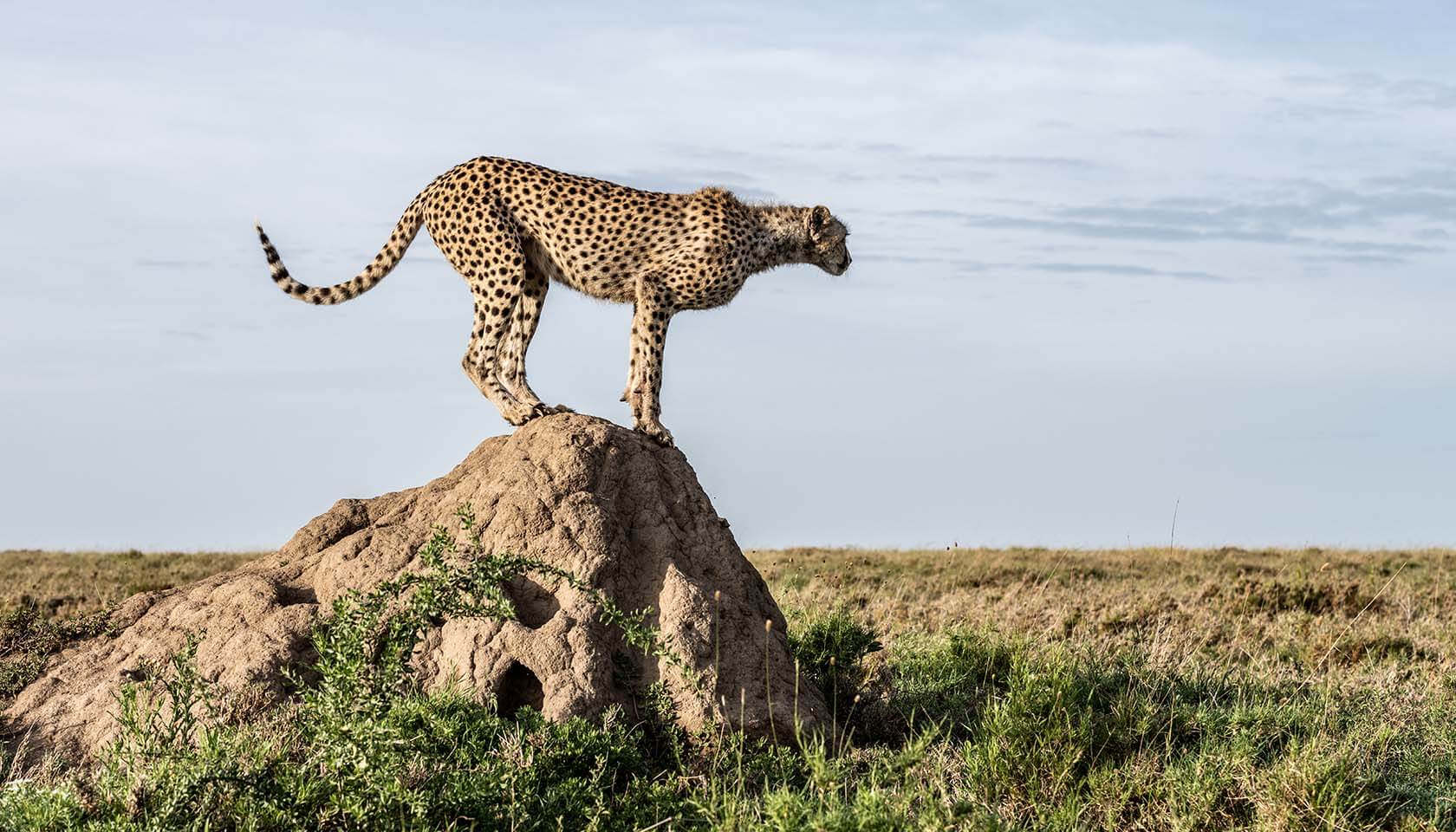
September offers some of the most consistent wildlife viewing of the year. The bush is thin, making it easy to spot elusive cats like leopards and cheetahs. The weather is slightly warmer than July, and the crowds begin to thin out just a little bit, though the wildlife action remains at a 10/10 level.
October: The Last of the Heat
October is the end of the long dry season. It can be quite warm, but the wildlife viewing is arguably at its easiest. Animals are desperate for water, so they stay very close to the remaining pools. This is also a fantastic time for trekking Mount Kilimanjaro, as the skies are clear and the climbing conditions are stable.


Closing the Loop: The Short Rains
Visit in November
November: The Refreshment
In November, the “short rains” usually arrive. These are typically brief afternoon showers that provide a welcome relief from the October heat. The parched earth drinks up the water, and almost overnight, the grass begins to turn green again. The migration starts its journey back south, moving through the eastern Serengeti.
December: Festive Wilds
December is a popular time for families and holiday travelers. The parks are lush and green again, but not overly wet. It is a time of celebration, both for the people and the animals. Seeing a lion pride on Christmas morning or a cheetah hunt on New Year’s Eve is an experience your family will never forget.