

Planning Your Serengeti Safari

Planning Your Serengeti Safari:
The Complete Handbook for Wildlife Viewing and Itinerary Building
The Serengeti is not just a national park; it is the heartbeat of Tanzania’s tourism and the stage for the greatest wildlife show on Earth. Whether you are a first-time visitor or a seasoned safari-goer, planning a trip to this vast ecosystem requires insight, timing, and a clear understanding of the geography.
In this guide, we break down everything you need to know to plan a seamless, unforgettable Serengeti safari.
1. Why Choose the Serengeti for Your African Safari?
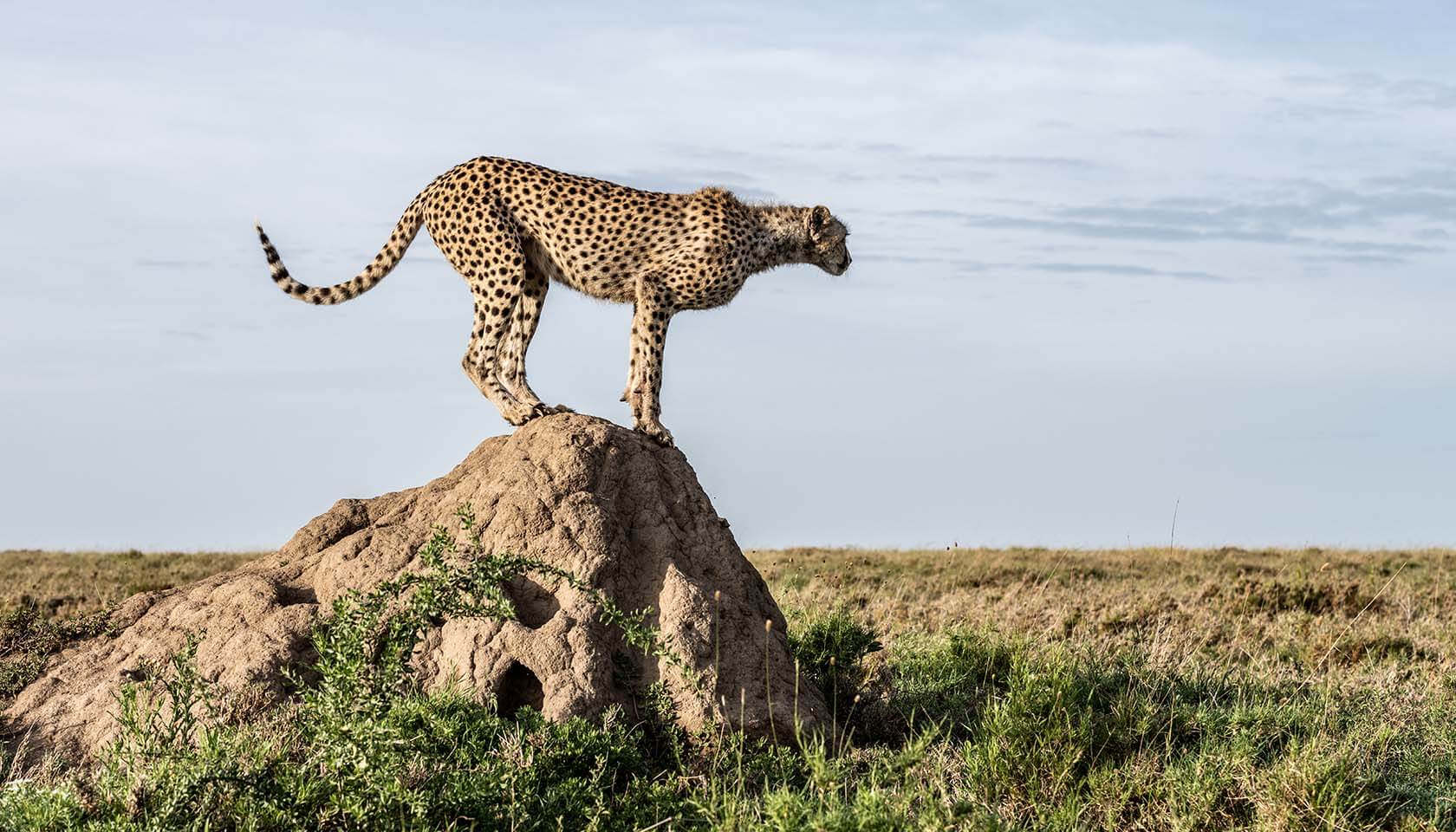
The Serengeti ecosystem covers over 14,750 square kilometers of diverse landscapes. It is renowned for its “Big Five”—lions, leopards, rhinos, elephants, and buffalo—but its true allure lies in the sheer scale of the wildlife population.
Unlike fenced reserves, the Serengeti offers an authentic, untamed experience. From the golden savannahs of the south to the woodlands of the north, it is the only place on the planet where you can witness the cycle of the Great Migration in its natural, uninterrupted form.
2. Understanding the Great Migration:
A Year-Round Cycle

The Great Migration is not a single event but a continuous, year-long movement of over 1.5 million wildebeest, zebras, and gazelles. Understanding the timing is critical for your itinerary planning:
- January – March (Calving Season): The herds are in the Southern Serengeti and Ndutu area. This is the best time for predator sightings, as the wildebeest calving season attracts lions, cheetahs, and hyenas.
- April – June (The Rut & Move North): The herds move through the Central Serengeti and Western Corridor. This is the lush, green season, offering fewer crowds and dramatic photography.
- July – September (The River Crossings): The herds migrate to the Northern Serengeti, famously crossing the Mara River. This is the “peak season” for many travelers who want to witness the dramatic crocodile encounters.
- October – December (The Return Journey): The herds travel back down through the Eastern Serengeti to the south to begin the cycle again.
3. Best Time to Visit
While the Serengeti is a year-round destination, your “best” time depends on your priorities:
- For Wildlife Density: June through October (Dry Season) offers the best visibility as animals congregate around water holes.
- For Migration Drama: July to September (Northern Serengeti) is prime time for river crossings.
- For Value and Privacy: November to March (excluding the Christmas holidays) offers great lodge rates and fewer vehicles on game drives.
4. Planning Your Logistics:
How to Get There
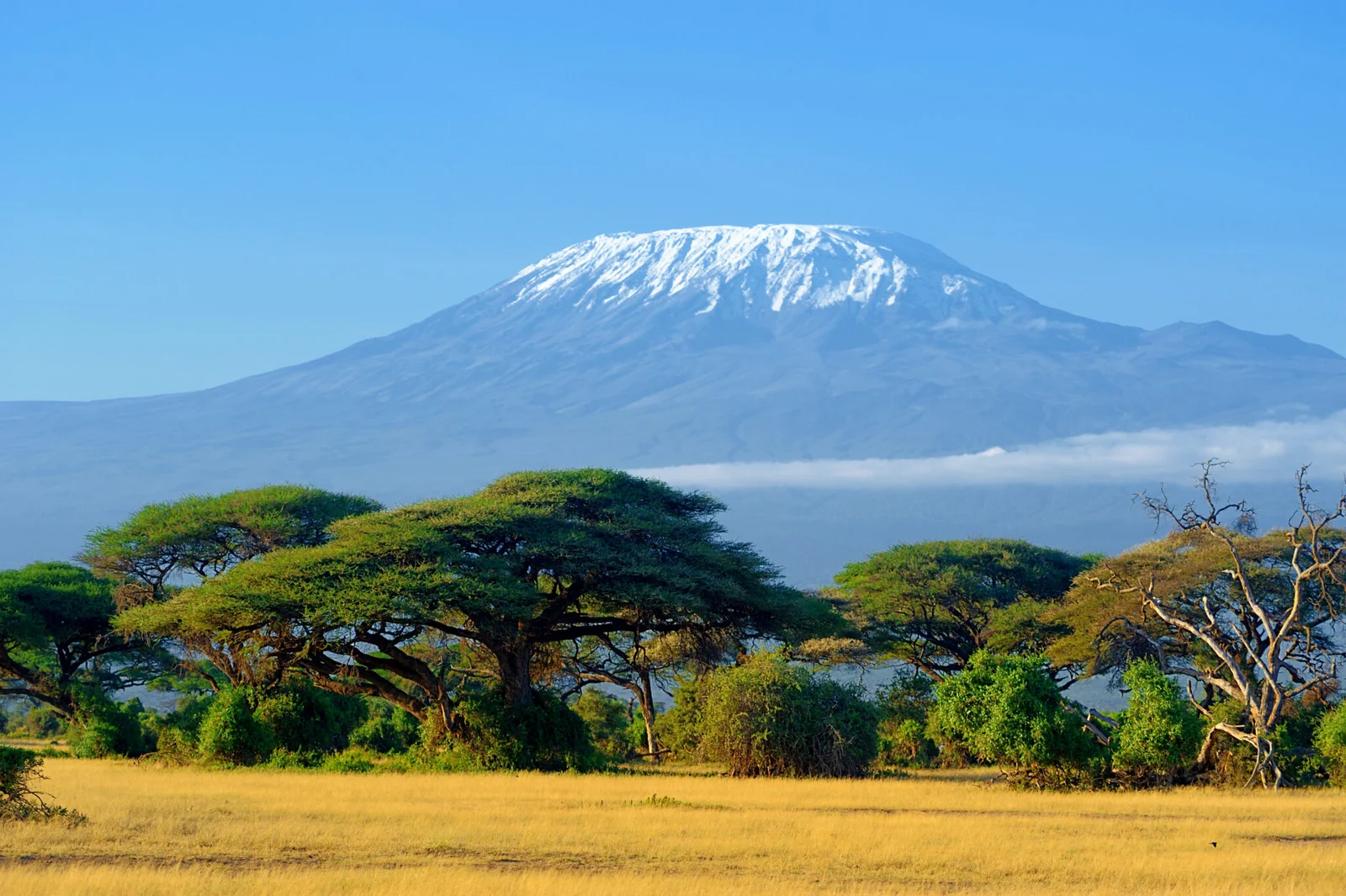
Most international travelers fly into Kilimanjaro International Airport (JRO). From here, you have two primary options:
- Fly-In Safari: Take a domestic bush flight directly from Arusha or Kilimanjaro to one of the Serengeti’s airstrips (e.g., Seronera, Kogatende, or Lobo). This saves travel time and maximizes game viewing.
- Drive-In Safari: The classic “Northern Circuit” route. Starting in Arusha, you pass through Lake Manyara and Ngorongoro Crater before entering the Serengeti. This is a more immersive experience, allowing you to acclimatize and see diverse ecosystems along the way.
5. Where to Stay: Lodging Tiers
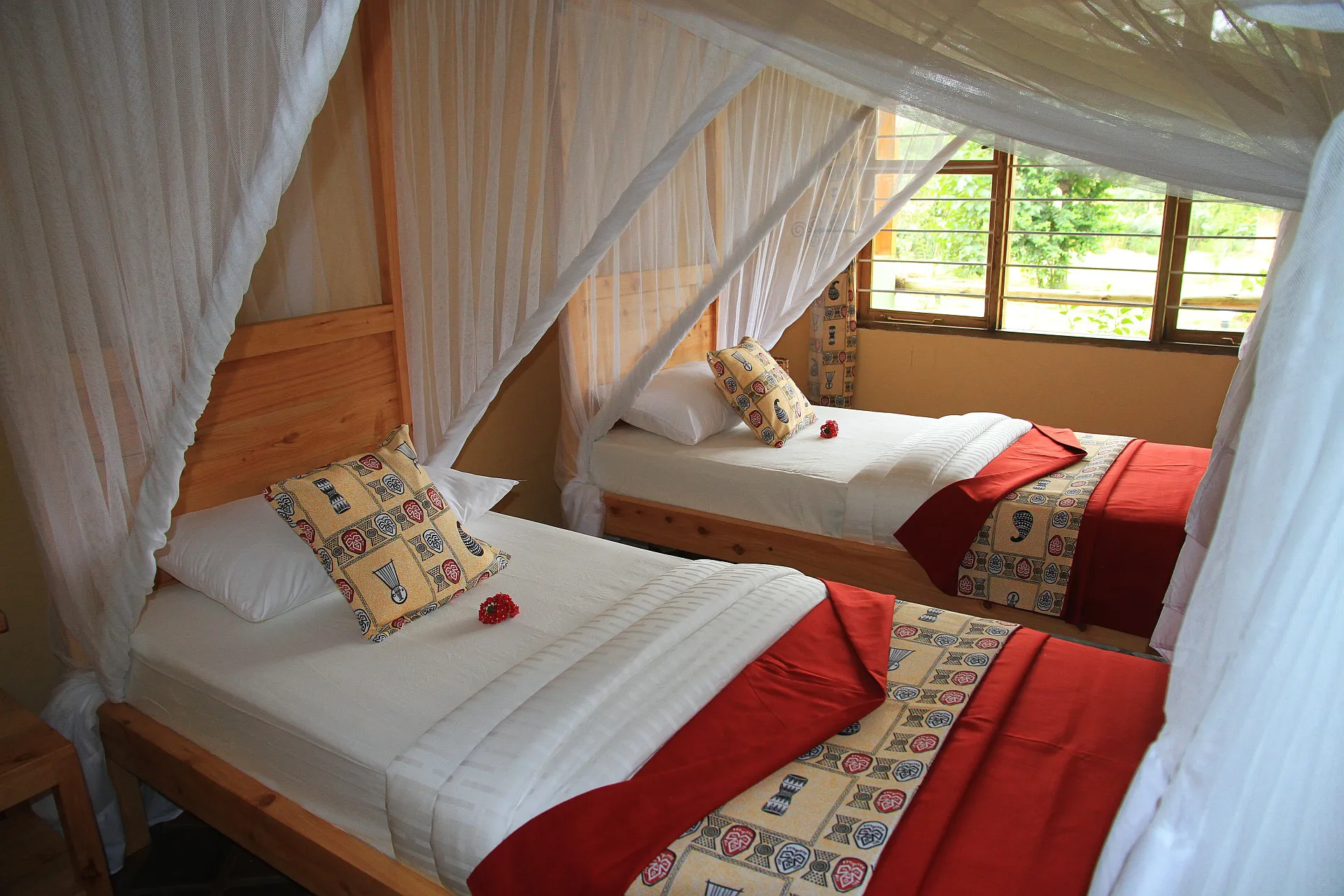
The Serengeti offers a spectrum of accommodation styles. When booking, consider the “vibe” you want for your clients:
- Luxury Tented Camps: Permanent structures with canvas walls, offering high-end comfort, en-suite bathrooms, and gourmet dining without sacrificing the “bush” atmosphere.
- Mobile Migration Camps: These move with the herds, ensuring you are always within striking distance of the Great Migration.
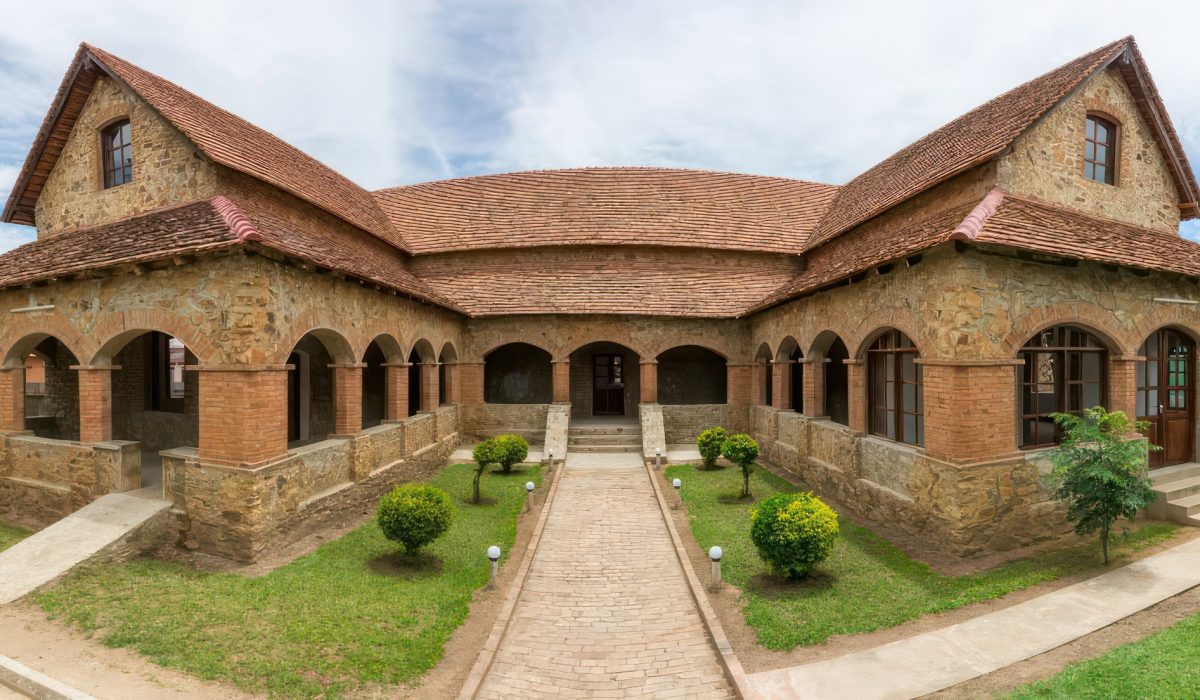
- Safari Lodges: Traditional stone or timber structures, ideal for families or those seeking more amenities like pools and large lounge areas.
6. Sample Itinerary Ideas
How long should a Serengeti safari last? Here are our recommended timeframes:
- The Weekend Express (3 Days): Focus on Central Serengeti (Seronera). Best for those short on time who want high-density cat sightings.
- The Classic Circuit (5–7 Days): The perfect balance. Includes the Ngorongoro Crater, the Central Serengeti, and either the North or West, depending on the migration.
- The Migration Pursuit (8–10 Days): For the serious photographer or wildlife enthusiast. Allows time to explore remote areas and follow the herds across different sectors of the park.
7. Practical Tips for a Seamless Safari
- Pack Light: If taking bush flights, you will likely be restricted to 15kg in soft-sided bags.
- Entry Permits: Ensure your tour operator handles all TANAPA (Tanzania National Parks) permits in advance to avoid delays.
- Health: Consult your doctor about anti-malarial medication and ensure you have the necessary Yellow Fever vaccination documentation.
- Respect the Wildlife: Always follow the “no off-roading” policy in National Parks to protect the habitat.
Ready to Start Your Journey?
The Serengeti is vast, and every season offers a different story. Whether you are chasing the Great Migration or looking for a secluded luxury getaway, planning with a local expert ensures you are in the right place at the right time.