

The Ultimate Guide to Climbing Mount Kilimanjaro

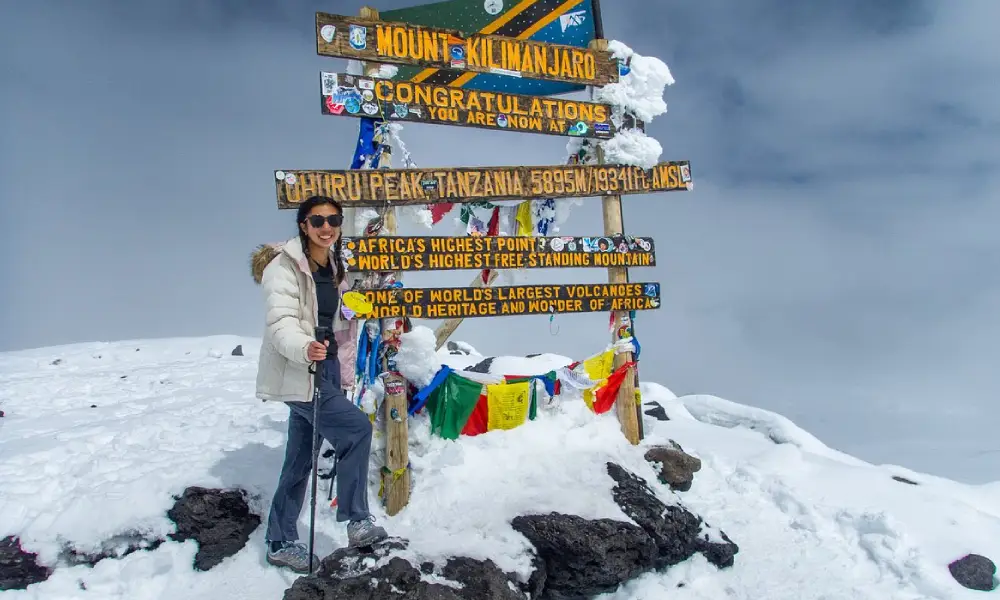
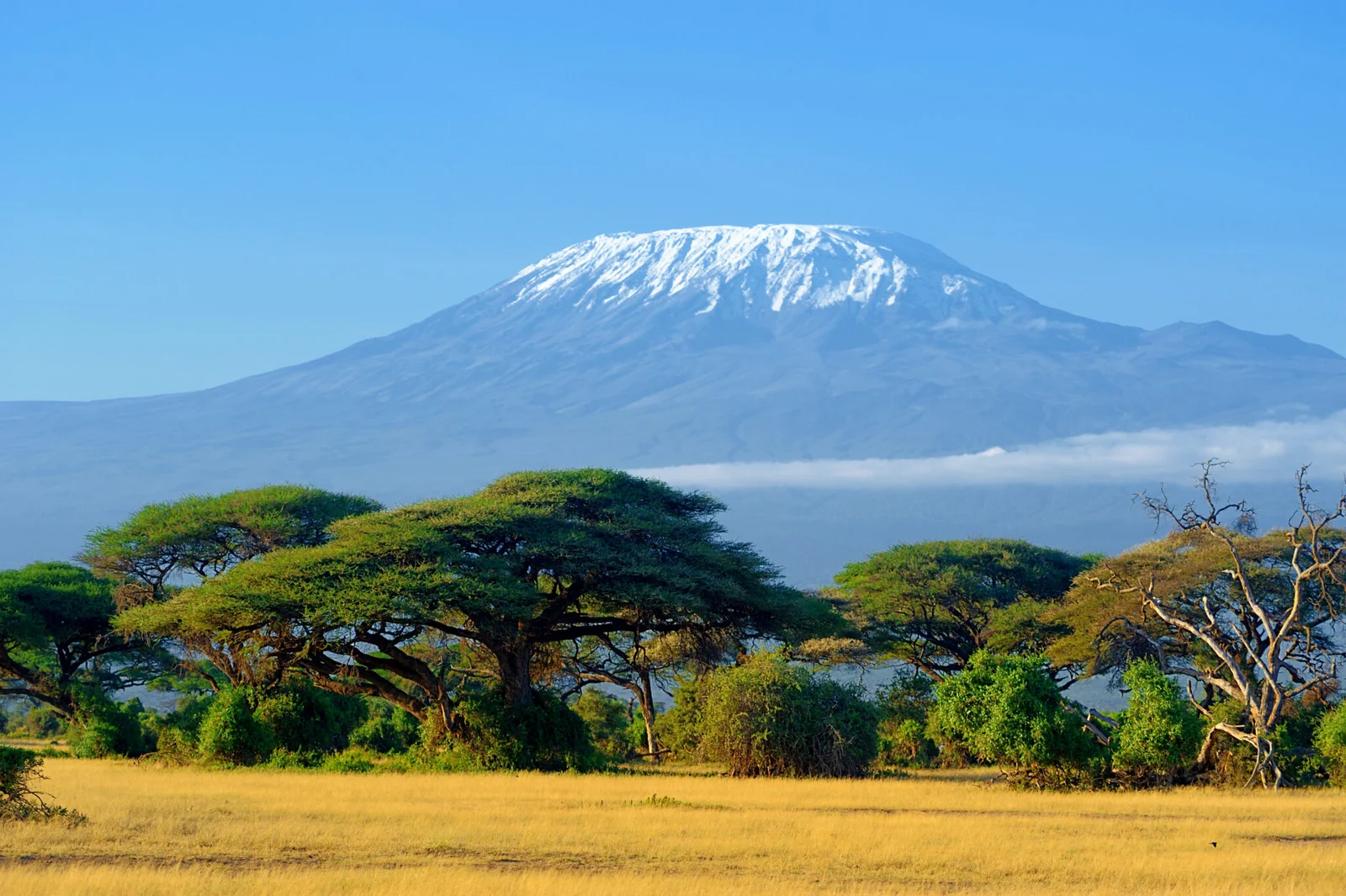
Mount Kilimanjaro is the crown jewel of African adventure. Standing at 5,895 meters (19,341 feet), it is the world’s tallest free-standing mountain and a once-in-a-lifetime challenge for trekkers from around the globe.
However, success on Kilimanjaro is not just about physical strength; it is about preparation, route selection, and mindset. Whether you are a seasoned hiker or a first-time climber, this guide provides the roadmap to reaching Uhuru Peak.
1. Choosing Your Route:
A Critical Decision
Your route determines your success rate, your scenery, and your crowds. Here are the top routes we recommend for 2026:
Lemosho Route (8–9 Days): The gold standard for acclimatization. It is widely considered the most scenic route, starting in the lush rainforest and moving to the Shira Plateau. Its longer duration significantly increases your summit success probability.
Machame Route (7 Days): Known as the “Whiskey Route.” It is challenging but rewarding, offering diverse landscapes. It is perfect for those who want a steeper, more classic hiking experience with high success rates due to the 7-day itinerary.
Northern Circuit (9–10 Days): The best option for those who want to avoid crowds and maximize acclimatization. This route traverses the rarely visited northern slopes, offering incredible solitude and the highest summit success rates on the mountain.
Marangu Route (5–6 Days): Known as the “Coca-Cola Route.” It is the only route offering hut accommodation instead of camping. It is the shortest and most affordable but has a lower success rate due to the rapid ascent.
2. Preparing for the Summit:
Fitness & Training
Kilimanjaro is a trekking mountain, not a technical climb. You don’t need ropes or harnesses, but you do need endurance.
Cardiovascular Training: 3–4 months before your trip, focus on hiking, running, or stair climbing 3–4 times per week.
The “Hiking” Simulation: The most effective training is simply hiking with a weighted backpack (start at 5kg and build to 10kg). This prepares your joints and muscles for the specific stress of the mountain.
Mental Conditioning: The summit night is the hardest part. Prepare mentally for the “pole pole” (slowly, slowly) pace—this is the secret to success, not speed.
3. Mastering Altitude: The Invisible Challenge
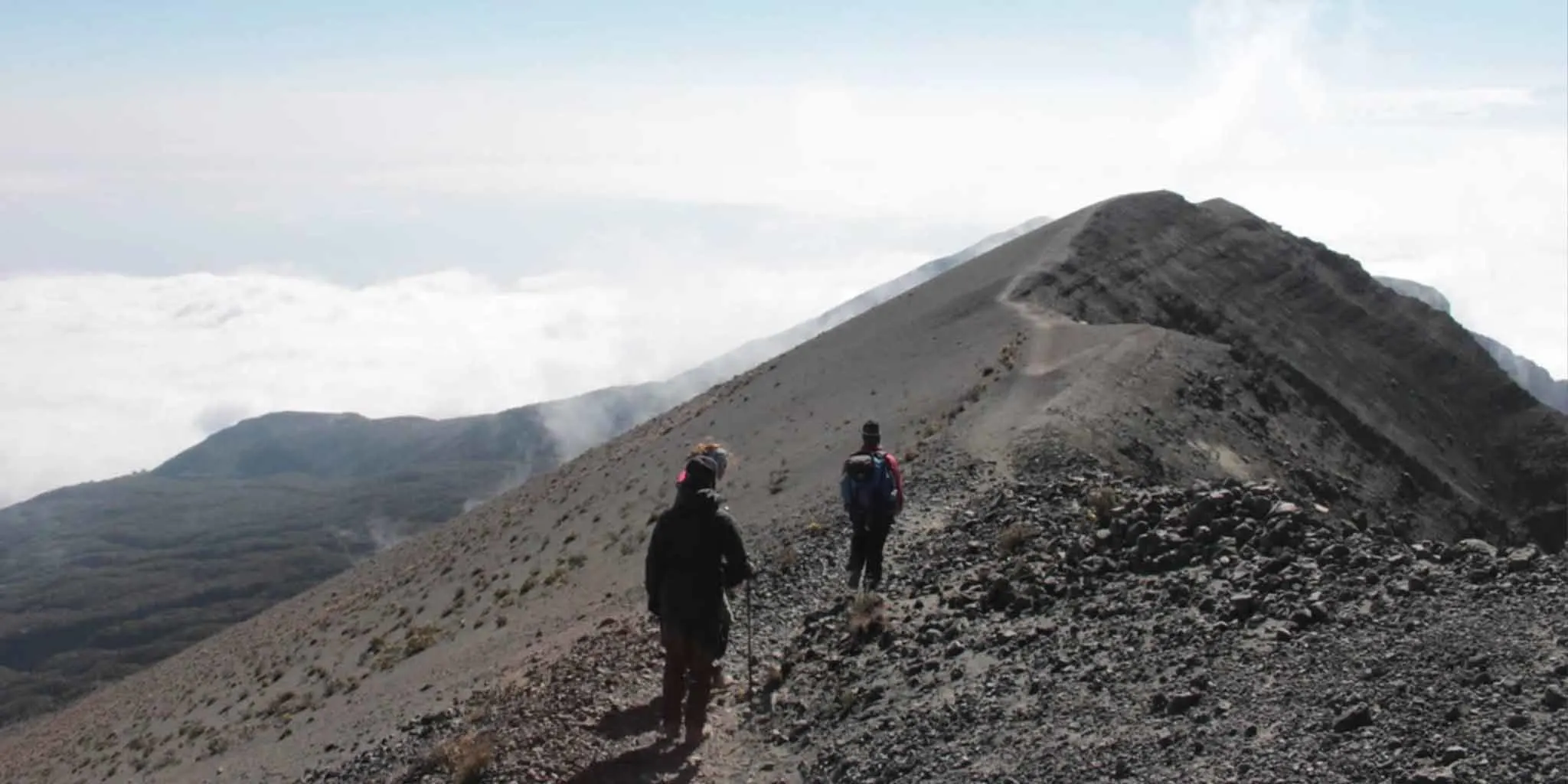
Altitude sickness (AMS) is the primary reason climbers fail to reach the summit.
Hydration: Drink at least 3–4 liters of water per day.
Pacing: Your guide will dictate the pace. Do not try to rush ahead to impress the group.
Medication: Consult your doctor about Diamox (acetazolamide). Many climbers use it to help the body acclimatize faster, though it is not a substitute for proper pacing.
4. Packing Essentials:
Gear for Four Seasons
On Kilimanjaro, you experience five distinct ecological zones—from tropical rainforest to arctic summit. Your gear must handle it all.
Layers are Key: Base layers (moisture-wicking), mid-layers (fleece/insulation), and outer shells (waterproof/windproof).
Footwear: Broken-in, waterproof hiking boots are non-negotiable. Do not bring brand-new boots for your summit attempt.
Sleeping Bags: Ensure you have a bag rated to at least -10°C to -15°C (14°F).
The Daypack: A 30–35 liter pack for your daily essentials (water, extra layers, snacks, camera).
5. Best Time to Climb
While Kilimanjaro can be climbed year-round, timing your trek can impact your comfort:
Best Weather: January–March and June–October. These months offer the driest, clearest days, though they are also the busiest.
The “Green” Season: November and April–May are the rainy seasons. You will find fewer crowds and lower costs, but you must be prepared for rain and mud.
6. Why Book with a Local Specialist?
The difference between a successful summit and an early descent often comes down to your support team.
Professional operators provide:
High-Quality Guides: Certified, English-speaking professionals with advanced wilderness first-aid training.
Safety Monitoring: Daily health checks, pulse oximeter readings, and emergency oxygen supplies.
Nutrition: Fresh, high-calorie meals prepared by skilled mountain chefs, essential for keeping your energy levels high at altitude.
Your Summit Awaits
Kilimanjaro changes people. Standing on the Roof of Africa, watching the sunrise over the crater rim, is a memory that stays with you for a lifetime.
