


The Ultimate Guide to the Wild

Your First Safari

The Ultimate Guide to the Wild

Karibu! Welcome to the beginning of an adventure that most people only see on a screen.

If you’re sitting in an office in New York, London, or Berlin dreaming of the Serengeti, you’ve likely realized that planning a trip to Africa feels a bit different than booking a weekend in Paris. There’s more to think about: bush planes, seasonal migrations, packing lists, and—of course—the wildlife.

As your professional guide to Tanzanian travel, I’ve curated this comprehensive guide to take you from “curious” to “completely prepared.” Let’s get you ready for the dust, the sunsets, and the roar of the wild.


Why Tanzania?..

For a first-timer, Tanzania is the “Gold Standard.” It is home to the Serengeti, the Ngorongoro Crater, and Mount Kilimanjaro. Unlike other destinations, Tanzania offers a “Northern Circuit” where you can see the Big Five (Lion, Leopard, Rhino, Elephant, and Buffalo) in a single trip, often within the first two days.


1. When to Visit:

Timing Your Adventure

One of the most common questions from our US and European guests is: “When is the best time to go?” The answer depends on what you want to see.

The Dry Season (June to October)

This is peak safari season. Why? Because the bush thins out, making it easier to spot animals, and wildlife congregates around water holes.

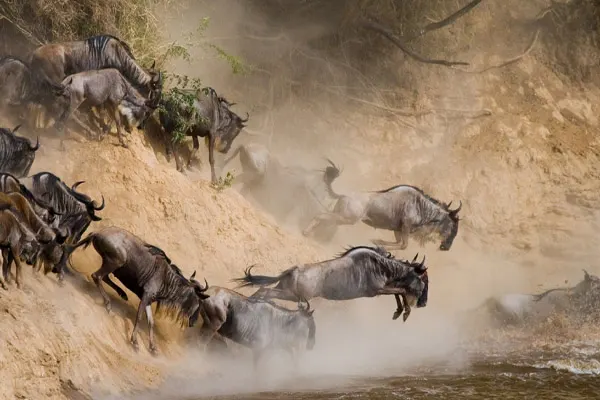
  • The Great Migration: If you want to see millions of wildebeest crossing the Mara River, aim for July to September.

  • Weather: Expect clear blue skies and cool evenings. It’s perfect for photography.

The Green Season (November to May)

Don’t let the word “rain” scare you.

  • Calving Season: In January and February, the southern Serengeti is filled with baby animals.

  • Bird Watching: This is prime time for migratory birds.

  • Value: Prices for luxury lodges are often lower, and the parks are much less crowded.


2.Getting Here and Around

International Flights

Most travelers from the US and Europe fly into Kilimanjaro International Airport (JRO).

  • From the USA: Popular routes include Delta/KLM via Amsterdam or Qatar Airways via Doha.

  • From Europe: KLM, Lufthansa (Eurowings Discover), and Turkish Airlines offer excellent connections.

Getting Around: Jeep vs. Plane

  • Road Safaris: You’ll travel in a 4×4 Land Cruiser with a pop-up roof. It’s the best way to see the changing landscape and local villages.

  • Fly-In Safaris: If you have a shorter timeframe, you can take “bush planes” (small Cessna aircraft) between parks. It saves time and provides a stunning aerial view of the plains.


3. Essential Entry Requirements

Traveling to Tanzania requires a bit of paperwork, but it’s straightforward.

  • Visas: US citizens pay $100 for a multi-entry visa, while Europeans typically pay $50. You can apply for an “e-Visa” online a few weeks before you travel to save time at the airport.

  • Passports: Your passport must be valid for at least six months after your departure date and have at least two blank pages.

  • Health: * Yellow Fever: Only required if you are traveling from a country where Yellow Fever is endemic (like Kenya).

    • Malaria: Tanzania is a malaria zone. Consult your doctor for a prescription of malarone or doxycycline before you leave.


4. What to Pack..

The biggest mistake first-timers make is overpacking. Most safari lodges offer laundry services, and small planes have strict weight limits (usually 15kg/33lbs in soft-sided bags).

ItemWhy You Need It
Neutral ColorsKhaki, olive, and tan. Avoid blue/black (attracts Tsetse flies) and bright white (gets dusty).
LayersIt is freezing at 6:00 AM and hot by noon. Think fleeces and light t-shirts.
BinocularsDon’t rely on the guide’s pair. Having your own makes the experience 10x better.
Sun ProtectionA wide-brimmed hat with a chin strap (so it doesn’t blow off the jeep).
Power BankFor charging your phone/camera during long game drives.


5. A Typical Day on Safari

What does a day actually look like? It’s not just sitting in a car; it’s a rhythm.

  • 06:00 AM: The “Bush Wake-up.” Coffee and biscuits before heading out. Predators are most active at dawn.

  • 09:30 AM: Picnic breakfast under an Acacia tree.

  • 12:30 PM: Return to the lodge for a hot lunch and a “siesta” during the heat of the day.

  • 04:00 PM: Afternoon game drive. The light becomes golden—perfect for photos.

  • 06:30 PM: Sundowners. A safari tradition of drinking a Gin & Tonic while watching the sunset.

  • 08:00 PM: Dinner and “Bush TV” (sitting around the campfire sharing stories).
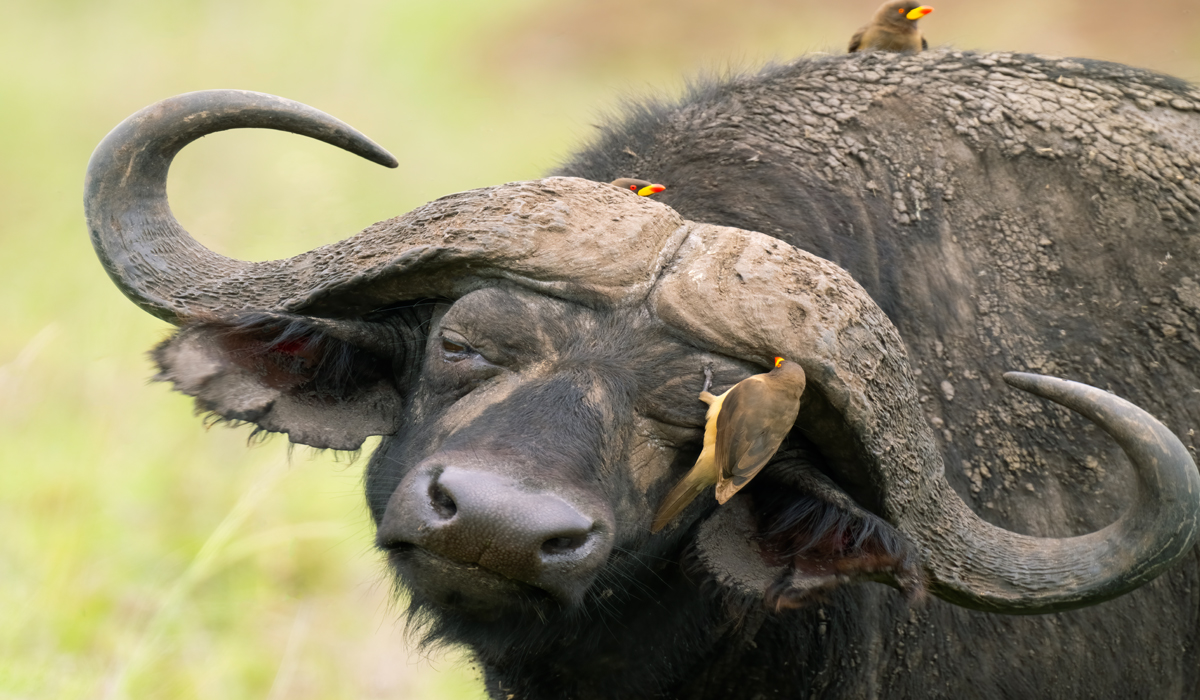


6. Understanding the “Big Five” and Beyond

While everyone wants to see the Big Five, Tanzania offers much more.

  • The Big Five: Lion, Leopard, Elephant, Cape Buffalo, and the rare Black Rhino.

  • The “Ugly Five”: Hyena, Marabou Stork, Warthog, Vulture, and Wildebeest (a local joke, but they are fascinating!).

  • Culture: A visit to a Maasai Boma or the Hadzabe tribe (the last hunter-gatherers) adds a profound human element to your trip.


7. Safety, Tipping, and Etiquette

Is it safe?

Tanzania is one of the most stable and peaceful countries in Africa. While on safari, your biggest “danger” is the wildlife, but your guide is a trained professional. Rule #1: Never get out of the vehicle unless your guide says it’s safe.

Tipping Guidelines (US Dollars preferred)

Tipping is a standard part of the safari economy.

  • Safari Guide: $20 – $30 per day, per group.

  • Lodge Staff: $10 – $15 per day (usually put into a communal tip box).

Money

The local currency is the Tanzanian Shilling (TZS), but US Dollars (printed after 2006) are widely accepted in lodges and souvenir shops. Credit cards are accepted in big hotels but usually carry a 3-5% surcharge.


8. Food and Water

You will not go hungry! Safari lodges provide incredibly high-quality meals, often organic and locally sourced.

  • Water: Never drink tap water. Always use the bottled or filtered water provided by your lodge or guide.

  • Dietary Needs: Whether you are vegan, gluten-free, or have allergies, Tanzanian lodges are excellent at accommodating requests if told in advance.


9. Combining Safari with Zanzibar

After a week of dusty roads and early mornings, most travelers head to the “Spice Island” of Zanzibar. A short 1-hour flight from the Serengeti or Arusha takes you to white sand beaches and the historic Stone Town. It’s the perfect “reset” before flying back to the hustle and bustle of home.

 

Best Safari in Tanzania

Tanzania Safari Tours & Packages for Adventure

Whether you are a seasoned traveler, a new explorer, or somewhere in between, Asili Explorer Tanzania Safari offers the Tanzania Safari Tours of your dreams. Explore the stunning landscapes and diverse wildlife of Tanzania with our expertly curated safari packages. Your next great adventure awaits!

This Package is perfect for spotting major Earth Shows on wilderness Surfaces where photographer Enthusiasts get a nice photogenic.
As the name of this 7-day Luxury flying in Tanzania Safari indicates, this itinerary is a fly-in / fly-out Luxury safari that uses two domestic …
Tanzania is a well-known destination for wildlife photography lovers. It has a variety of…
Destinations to be visited: Tarangire, Serengeti, Ngorongoro Crater, Lake Manyara, and Materuni waterfalls.
Tanzania Luxury  Honeymoon Safari is perfect for celebrating Your weding ceremony also creates a lifetime experience.
This Itinerary is perfect for Spotting Wildebeest giving Birth to their Sibling. It provides a…
Tanzania Season Overview

When is the best month to visit Tanzania?

Tanzania in January

It is time to experience the natural beauty of Tanzania in all its magnificent, bursting, colorful glory. From January, you can enjoy luscious landscapes and once-in-a-lifetime photography opportunities that will take your breath away!

Tanzania in February

February in Tanzania is an incredible time to spot young animals taking their first steps along the savannah. The best places for this are Ndutu, where millions of wildebeest congregate and give birth over a short period known as calving season. Whilst thunderstorms may occur during the afternoons, the rain will allow for a transformation in the landscape.

Tanzania in March

March is an often-overlooked time of year to visit Tanzania. Offering plenty of spectator opportunities, with beautiful birding and low crowds! While it’s hot sometimes (and humid), you can witness all sorts of wildlife out & about during this period – including their babies too!

Tanzania in April

Tanzania is a photographer’s paradise in April. Scenic green landscapes, young animals, and colorful birds line the roads to greet travelers who come here for their visit during this period! The weather may be unpredictable during April, but the rewards are worth it with the sightings and landscapes.

Tanzania in May

If you want to see what life is like in Tanzania’s National Parks before the dry season, then now is your last chance. Witness beautiful green forests and wild grassy plains full of young animals during May, just before the landscape transforms.

Tanzania in June

June in Tanzania is a great time to visit and explore the dry landscape. Visitors will find many opportunities for wildlife viewing as animals cluster around watering holes during this month. The days are cool whilst sunny, providing just enough moisture without being too wet or dusty from windy conditions like those found later on in the year.

Tanzania in July

Visiting Tanzania in July comes highly recommended if you are looking to enjoy a Safari the way it was meant to be done. With dry land becoming more scarce, animals can be found congregating near watering holes and can easily be spotted due to the arid landscape.

Tanzania in August

The long, dry season is over, and the animals have had a chance to recharge themselves. August in Tanzania provides an opportunity for you that doesn’t come around often-a great chance to see wildlife up close!

Tanzania in September

One of the best times to visit Tanzania is in September, when there’s better visibility and the sun is shining. The end of the long dry season means that animals are desperate for food, making it more likely you’ll see action on your safari!

Tanzania in October

October is the end of Tanzania’s long dry season, and this means it’ll be time for some serious animal action! With thick clusters of animals to see on any given day trip or more extended stay in one spot. You can travel through parks without worrying about getting stuck behind somebody others as there isn’t much traffic at all during these months. Perfect if you’re looking forward to an authentic Tanzania safari atmosphere.

Tanzania in November

The Tanzania landscape is set to be spectacular in November as nature springs back into life during the short rainy season. With rivers overflowing and animals scurrying about in search of food, it will make for some fantastic wildlife viewing opportunities that you won’t want to miss out on!

Tanzania in December

December is the perfect time to visit Tanzania and witness this fantastic country’s natural beauty. The birds will be in full glory as they return from their annual migration after being away all year long! Finish your year in warmth, comfort, and natural beauty by visiting Tanzania in December.

Wild Testimonials

Tanzania Safari Reviews

Linda V
Linda V
Oct 30, 2022
My daughter (21) and I (52) did the Machame trail (10 oktobre 2022) on the Kilimanjaro. It was amazing! We had a great team and thanks to them we had a great week (we did the 7 days trip, including the acclimatisation dat, which I would suggest) and thanks to the whole crew we made it to the summit.
Linda V
Linda V
Oct 30, 2022
My daughter (21) and I (52) did the Machame trail (10 oktobre 2022) on the Kilimanjaro. It was amazing! We had a great team and thanks to them we had a great week (we did the 7 days trip, including the acclimatisation dat, which I would suggest) and thanks to the whole crew we made it to the summit.
Linda V
Linda V
Oct 30, 2022
My daughter (21) and I (52) did the Machame trail (10 oktobre 2022) on the Kilimanjaro. It was amazing! We had a great team and thanks to them we had a great week (we did the 7 days trip, including the acclimatisation dat, which I would suggest) and thanks to the whole crew we made it to the summit.
Linda V
Linda V
Oct 30, 2022
My daughter (21) and I (52) did the Machame trail (10 oktobre 2022) on the Kilimanjaro. It was amazing! We had a great team and thanks to them we had a great week (we did the 7 days trip, including the acclimatisation dat, which I would suggest) and thanks to the whole crew we made it to the summit.